The PSTN Switch-Off: What Stops Working in January 2027
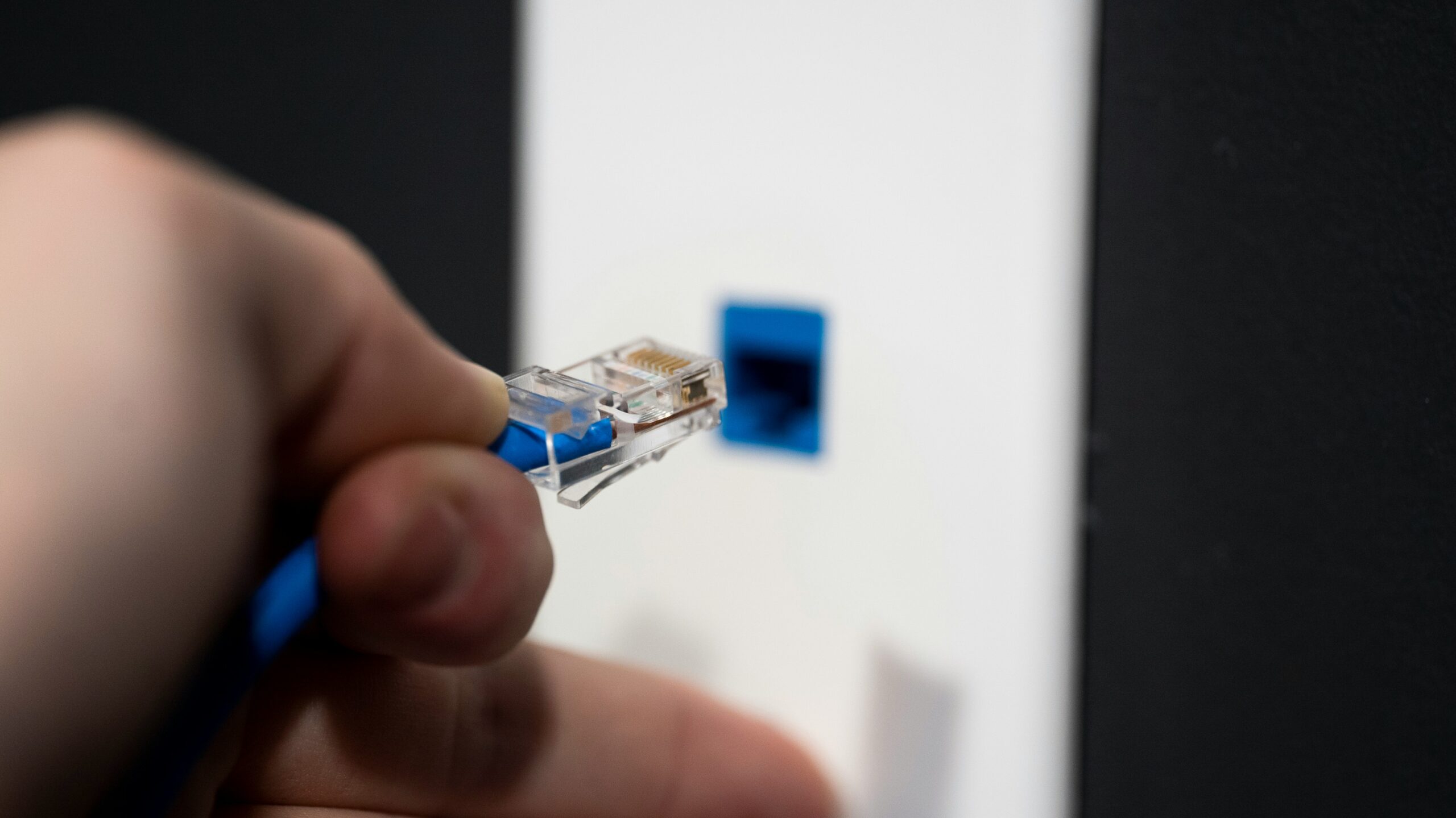
PSTN, the copper network that has carried landline calls for decades, and ISDN, the digital lines many businesses installed in the nineties, will be switched off in the UK for good on 31st January 2027.
ADSL broadband delivered over those lines goes with them. The move is industry-wide and backed by Government and Ofcom. There is no later date coming.
Most businesses have heard about this and filed it under “the phones”. That is the mistake worth writing about, because the phones are the easy part.
The phones are not the problem
Moving voice calls to VoIP is well understood. Calls run over your internet connection instead of a copper line, you keep your numbers, and done properly the switchover is an afternoon’s planned work rather than a crisis.
The real exposure is everything else that quietly uses a phone line. BT’s own guidance lists alarms, EPOS machines, door entry systems, CCTV and fax machines among the services affected, and its FAQ adds lifts to the list. In practice that means the fire alarm panel that auto-dials a monitoring centre. The emergency line in the lift. The intercom on the gate. The card terminal in the pro shop or the bar. The care setting’s nurse call or telecare link. Most of these were installed by a specialist years ago, work silently, and appear on nobody’s IT inventory.
That is the root cause here. The risk is not the switch-off itself, it is that most organisations have never listed what is actually plugged into their lines. Fix that, and the rest is a project plan. Skip it, and something you depend on stops working on a date you did not choose.
“BT will move us automatically” only goes so far
BT is running a Protective Migrations programme that moves some remaining lines to a digital service automatically. But BT’s own guidance is explicit that ISDN, Featureline, multiline and certain broadband services cannot be moved this way. Those services simply stop working from 31 January 2027 if nothing is done.
And even where a line is migrated automatically, the migration moves the line, not the equipment on it. An alarm dialler built for an analogue line does not become compatible because the line underneath it changed. Each device needs checking with its manufacturer or provider, and replacing or reconfiguring where it is not compatible. That is exactly the sort of detail an automatic programme cannot do for you.
What a proper audit looks like
This is a walk round the building with a list, not a technical exercise. For every socket and every line on the bill, establish three things: what is connected to it, what happens to the business if that thing stops working, and whether it is compatible with a digital line.
The usual suspects, in rough order of how often they get missed:
- Fire and intruder alarm panels that dial out to a monitoring centre
- Lift emergency phones
- Door entry, gate intercoms and barrier controls
- Card payment terminals on a phone line rather than the network
- CCTV that dials out or is reached over an old line
- Telecare, nurse call and lone-worker systems in care settings
- Fax machines, franking machines and legacy modems
- Broadband circuits delivered as ADSL over a phone line
Then check the contracts. Some of these devices belong to third parties, alarm companies, lift maintainers, payment providers, and the fix sits with them. Chasing that early matters, because every supplier in the country is working through the same deadline with the same engineers.
In my most recent consultancy work I migrated hundreds of business lines to VoIP across multiple organisations, and the lesson from every one of them is the same: the migrations that go wrong are never the ones where the phones were hard, they are the ones where nobody knew about the device in the plant room until it went silent.
Why this is worth doing now rather than in December
Nothing in this post is urgent in the alarmist sense. It is urgent in the calendar sense. Replacement equipment has lead times, alarm and lift companies have order books, and number porting is a scheduled process rather than an instant one. A business that audits now gets to choose its switchover date, run the old and new services side by side, and cut over on a quiet morning with a fallback in place. A business that starts in January gets whatever slot is left.
There is also a genuine upside buried in the deadline. Consolidating old lines usually removes line rental you no longer need, and moving door entry and monitoring onto the network properly, rather than as an afterthought, means those systems finally get patched, monitored and looked after like the rest of your IT. Done right, you come out of this with fewer bills and a tidier setup than you went in with.
Where we can help
Net Tech IT runs this as a fixed piece of work: audit the lines, list every dependent device, check compatibility with each supplier, and plan the cutover so nothing goes silent. We install and manage Paxton access control, so door entry moving onto the network is territory we already look after, and it folds naturally into managed IT support afterwards. If you would rather just sanity-check a list you have already made, that conversation is equally welcome.
Pat Colombo is the founder of Net Tech IT, a Horsham-based IT provider serving Sussex, Surrey and London, and a former CIO with 30 years of enterprise IT leadership.
Sources: the switch-off date, affected services and Protective Migrations detail are from BT Business’s switch-off guidance and BT Group’s Digital Switchover page. Ofcom’s guidance on the move to digital landlines is also available.
Let’s Talk
Posted On: 10 August 2026